Pete Hunt takes over as CEO as Nick Schrock takes on the CTO role.
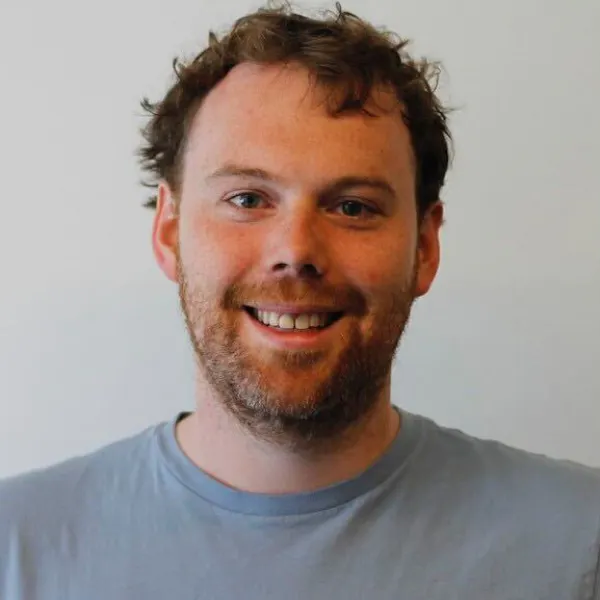
Hi - I’m Pete. You might know me as the Head of Engineering at Elementl, but as of a few weeks ago I’m now CEO. Nick, the founder and previous CEO of Elementl, is now CTO and focused full-time on working with customers and pushing the product and technology forward.
I wanted to take a moment to reflect on what’s happened since I joined, and what the future holds now that we have Nick full-time on the technical side.
I joined the Elementl team in February 2022. At the time, I was considering a few different options, including cofounding a startup and CEO gigs at a handful of Series A and Series B companies. I ended up choosing Elementl, and it was a great choice!
We’ve been on a tear this year. Here are just a few of the highlights:
- We shipped 1.0, a release that reflected the stability and maturity of the product that had been built up since Dagster’s first release in 2019.
- We went from zero to one on our commercial offering, and we now have a thriving business with substantial and accelerating revenue.
- We’ve significantly ramped up our marketing and developer education efforts.
- We’ve grown the team substantially across all functions including engineering, product, sales, and marketing.
- We’ve continued to innovate on features such as software-defined assets, branch deployments, and serverless.
- We continue to have fun.
When Nick first approached me about signing on as CEO, the first question that popped in my mind was: what will Nick’s role be, and why does he want to make the change?
This question is best answered by his recent tweetstorm on the subject. I think it is vital that Nick continue to push the company forward in the CTO role, and I’m excited to build together and sustain the great momentum he’s generated as CEO for the past several years.
The next question on my mind was: who will take over day-to-day engineering management duties? We have good news here too; we're fortunate enough to have Bosmat Eldar joining the team this week to lead engineering. Bosmat is a seasoned engineering leader, most recently at Carbon Health and Facebook. We're fortunate to have her on the team!
So what’s next for Elementl? At a high level:
- Improvements to the “new user experience” of Dagster, including streamlined APIs and documentation.
- Performance improvements and new features for our cloud product.
- Continued acceleration of our software-defined assets features.
- Doubling down on increasing the quantity and quality of our integrations.
Want to learn more? Sign up for our end-of-year event on December 7. And if you’re interested in joining the team, we have a few open roles available, too.
I’ll see you around!
Pete